Kathryn Palmer-Skillings
Access, inclusion and Anti-Ableism Consultant.
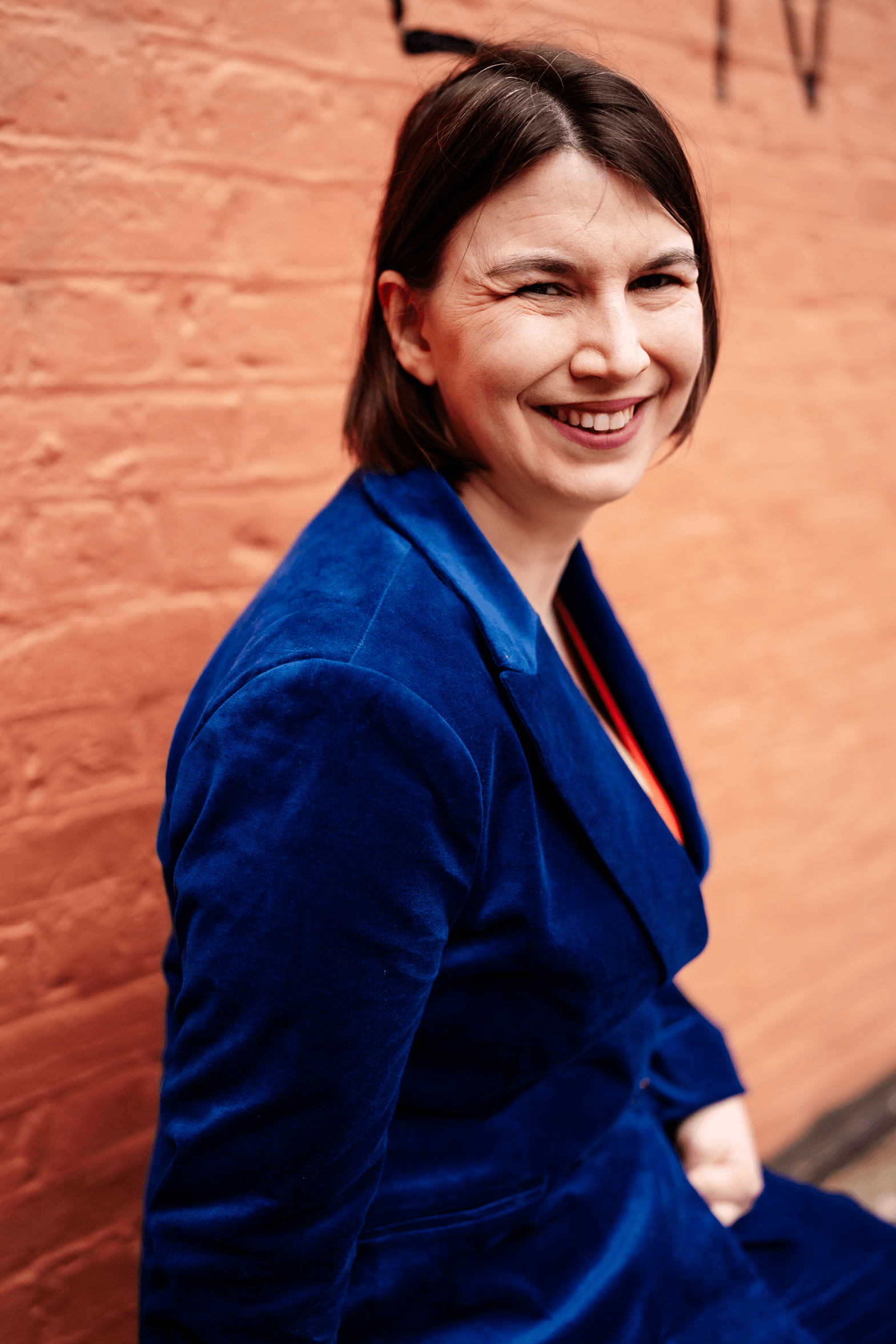
Changemaker/Cheerleader/Access, Inclusion and Anti-Ableism Champion
Hi, I’m Kathryn. My aim in life and work is to know that I’ve created space and opportunities for Disabled People, Neurodivergent People, and those living with long-term health conditions to feel seen, heard, celebrated and centred.
That’s why I’ve spent over 20 years using both my lived experience and my professional expertise to improve accessibility and the inclusion of my fellow Disabled Colleagues, Volunteers, Clients and Service Users within charities, cultural and heritage organisations and non-profits.
I’ve led programme design and project delivery, co-production, facilitation and volunteering development. All of which led me to my work as an inclusion consultant for workplaces that want to do better.
My goal is to help your organisation shift from:
Outdated ‘disability awareness’, I’m almost certain you’re aware that disabled people exist by now…
Through to inclusion, where equity and meaningful access are baked in from the start.
Onto anti-ableism, where your workplace is actively challenging the inequity Disabled People continue to face.
Throughout the process, I’ll act as your partner with any support you might need. From identifying your blockers to assisting in implementing the solutions, I’m here to fiercely champion you in making the changes that will make everyone feel that they have what they need to thrive through your organisation.
Disabled people deserve better than ‘one-size-fits-no-one’ gestures, implemented half-heartedly, which prevent us from contributing, participating and leading.
Let's make change together shall we? First stop, your workplace; destination, the society we all share.
About the Social Model of Disability
I follow the Social Model of Disability in my work and life. The Social Model holds that people are disabled by barriers in society, not by a medical characteristic.
Created by Disabled People, this model helps us focus on removing these barriers to enable, welcome and include Disabled People in every area of society.
About Ableism and Anti-Ableism
Ableism is the belief that to be disabled or neurodivergent is to be of less inherent worth than being non-disabled or neurotypical.
Ableism leads to a lack of access (deliberate or otherwise), micro-aggressions, overt hate and violence, and a denial of support for Disabled People.
Anti-Ableism actively challenges the systems we operate within...
When I talk about Disabled People…
I’m including anyone who could identify as Disabled under the Equalities Act, for example:
Anyone with any kind of physical impairment.
Anyone managing their mental health.
Anyone with a sensory impairment, including D/deaf People.
Anyone who is Neurodivergent.
Anyone living with a chronic or long-term health condition (e.g. Multiple Sclerosis, Cancer, HIV, and many others).
Anyone with a Learning Disability or Difficulty.
Anyone with a combination of any of the above!
About My Access Requirements
As a Disabled Person, I face physical and sensory barriers. It’s impossible to cover all situations and I’ll chat with you about specifics. These baseline access requirements give me safety, access and dignity:
Access Requirements:
In buildings:
Step-free, or very limited steps, with handrails on both sides, to all areas I’m needed. This includes loos, relevant workspaces, refreshment and networking areas. I’ll also need a fully step-free evacuation route.
Travel:
Limiting unnecessary travel. I’ve been facilitating online meetings and workshops since 2017 (yes, pre-COVID!), for quick catch-ups, progress meetings etc. online attendance is most accessible for me
For face-to-face delivery, I have to avoid travelling before 8:45am and after 4pm due to crowds and lack of seating. Journeys over 90 minutes increase my pain and discomfort, not an ideal way to start work! I may need to include accommodation or taxi costs.
Online:
Keeping virtual meetings to less than 2.5 hours means that my sensory discomfort is limited. Even with breaks included, I’ll start feeling pain as we approach this point.
Information and Communication:
I access information best when I can have pre-reading a few days in advance, clear talking points or agendas for meetings, and interview questions or tasks sent ahead.